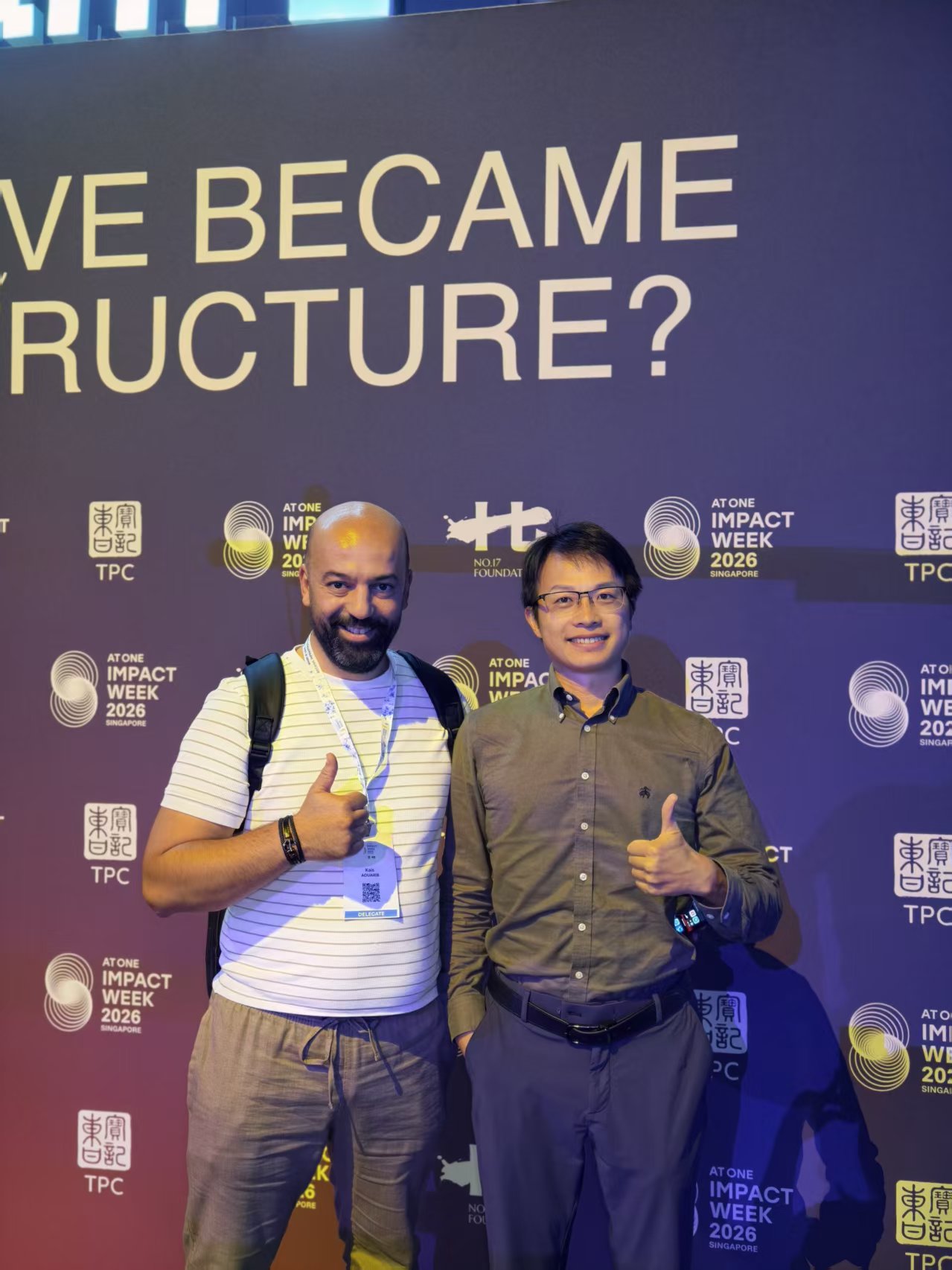

Ericson Lau, Director of ESG VISA Limited, was invited to attend the 10th anniversary dinner hosted by Architectural Intelligence. It was a good occasion to meet practitioners across the built environment and sustainability sectors, and to hear, in a more candid setting, how ESG is being handled in actual projects.

One observation stood out. ESG is now widely accepted at a strategic level, but translating it into day-to-day project decisions remains uneven. In many cases, performance is still reviewed after completion, based on compiled reports. By that stage, however, there is often limited room to adjust outcomes in a meaningful way.
This becomes more relevant when considering developments such as the Northern Metropolis. Given its scale and long-term importance, it offers a rare opportunity to approach ESG differently — not as a layer added at the end, but as something embedded throughout the process.

What seems to be missing is not more data, but better use of it. Information already exists across design models, building systems, and operational records, yet it is often disconnected. Without continuity, it is difficult to form a reliable view of how a building is actually performing over time.
This is where ESG VISA is positioning its work. The focus is on making ESG-related data more consistent and traceable across different project stages, so that it can support ongoing decisions rather than retrospective reporting. In practical terms, this means helping stakeholders see performance as it evolves, not just how it is presented at the end.

Events like this do not provide answers on their own, but they do help to surface common ground. Across different roles and organisations, there is a growing recognition that ESG needs to move closer to how projects are actually delivered and managed.

For ESG VISA, that direction is clear — to contribute where ESG becomes part of the operational process, rather than remaining a separate reporting exercise.