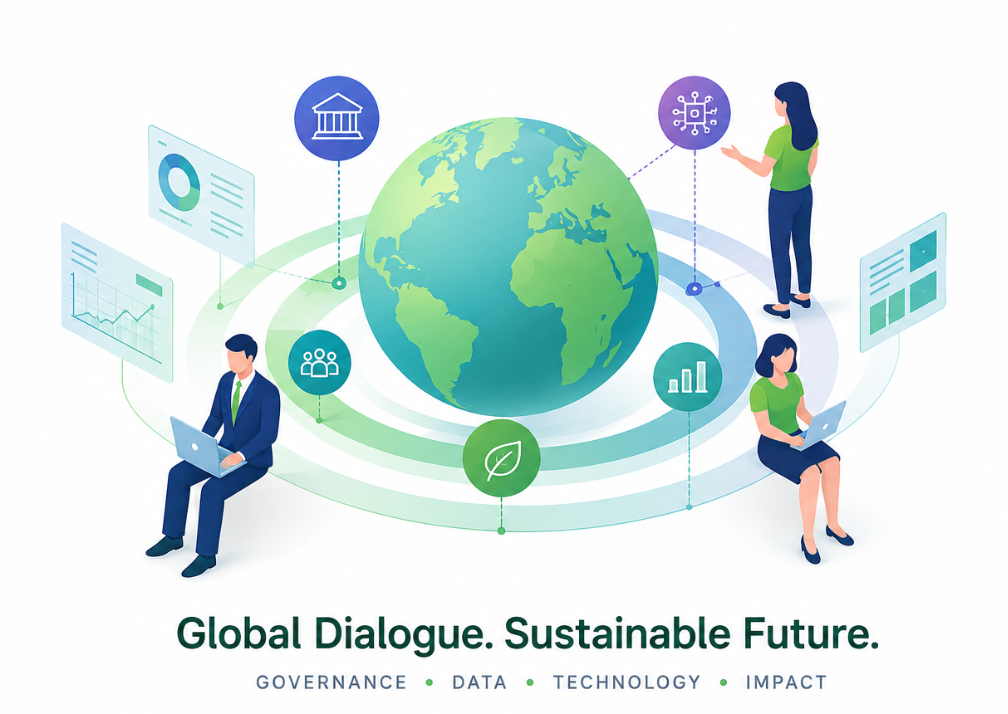
The 64th Sessions of the Subsidiary Bodies (SB64) under the United Nations Framework Convention on Climate Change (UNFCCC) will be held in Bonn, Germany, from 8 to 16 June 2026. The session forms part of the ongoing international climate dialogue process, bringing together governments, observer organizations, researchers and industry participants to exchange views on implementation, transparency and sustainability-related developments.
Ericson Lau, Director of ESG VISA Limited, has been nominated to participate virtually in the SB64 meetings as an NGO participant. In recent years, discussions surrounding ESG and climate governance have increasingly moved beyond high-level reporting commitments toward more practical questions relating to implementation, operational accountability and trusted sustainability data environments.
This shift is becoming particularly relevant in areas connected to infrastructure, the built environment and long-term asset management, where the quality, continuity and governance of operational data are gradually becoming part of broader sustainability expectations.
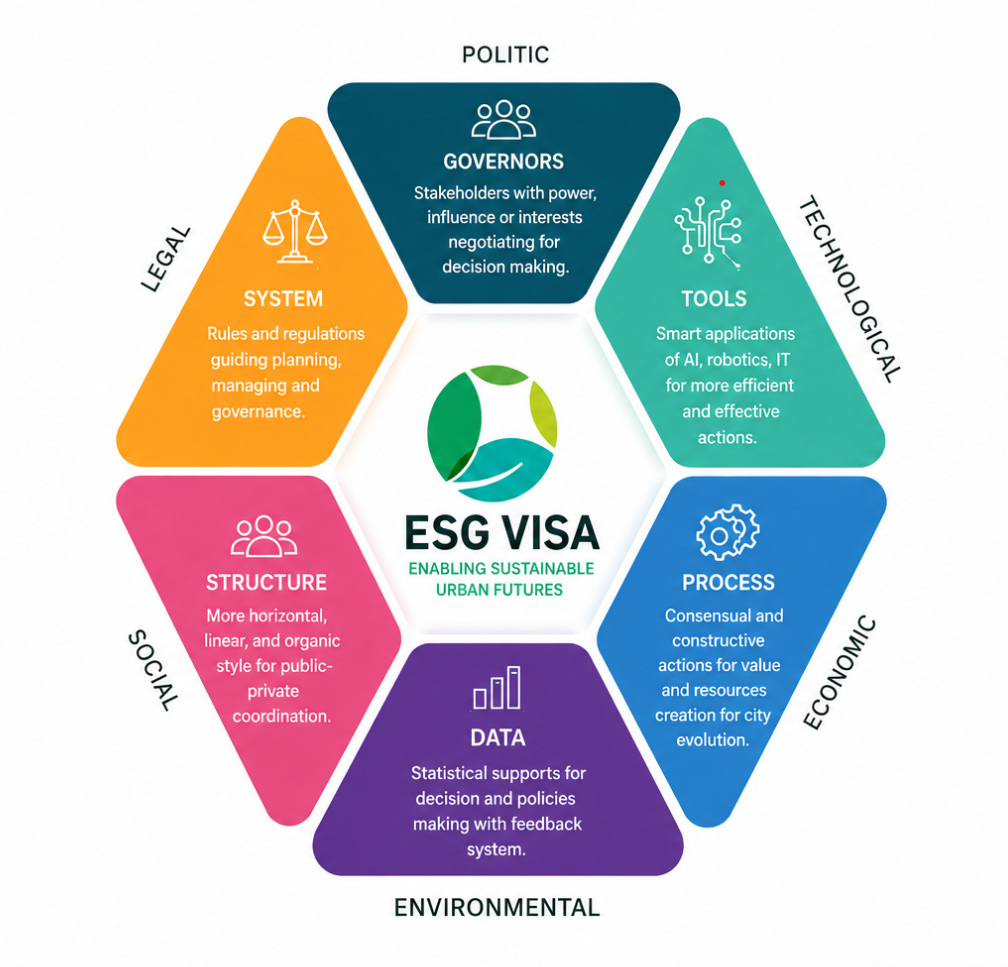
Against this backdrop, ESG VISA continues to follow international developments related to digital governance, sustainability accountability and emerging approaches to operational ESG management. The company’s ongoing work focuses on the evolving relationship between governance frameworks, real-world infrastructure systems and technology-enabled sustainability practices.
Participation in SB64 reflects ESG VISA’s continued interest in international climate and governance developments, particularly where policy direction, operational realities and future urban systems increasingly intersect.
As climate-related expectations continue to evolve across global markets, the importance of credible governance structures and connected operational ecosystems is expected to become more significant for organizations managing physical assets, infrastructure and sustainability-related risks.
ESG VISA will continue monitoring international developments in climate governance and sustainable infrastructure while exploring practical approaches that support transparency, operational resilience and long-term sustainability within the built environment.