When the ISSB introduced its global sustainability disclosure framework, the vision was clear: a consistent baseline for ESG reporting across jurisdictions. However, recent developments suggest that implementation is proving more challenging than expected.
Brazil’s securities regulator (CVM) has shifted from mandatory ISSB-aligned reporting to a voluntary “comply or explain” approach. Singapore has also extended its timeline for smaller listed companies, delaying mandatory climate-related disclosures until 2030.
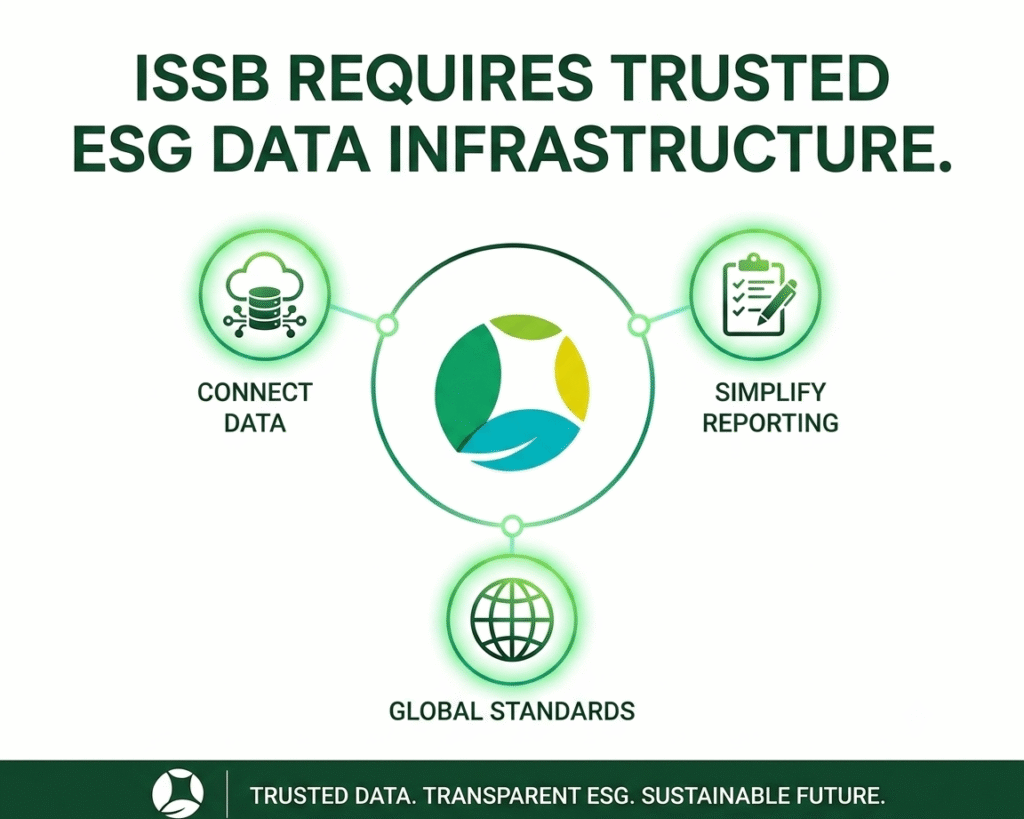
These decisions highlight an important reality: many organizations support sustainability reporting in principle, but struggle with the practical requirements needed to deliver reliable, audit-ready ESG data. The challenge is rarely a lack of intent. More often, it is a lack of infrastructure.
Accurate ESG reporting requires continuous data collection, asset-level monitoring, connectivity, verification processes, and the ability to transform operational data into meaningful sustainability metrics. For many organizations, these foundations are still under development.
As reporting requirements become increasingly complex across different jurisdictions, the ability to collect, manage, and validate ESG data is becoming just as important as the reporting standards themselves.
This is where ESG VISA plays a role.
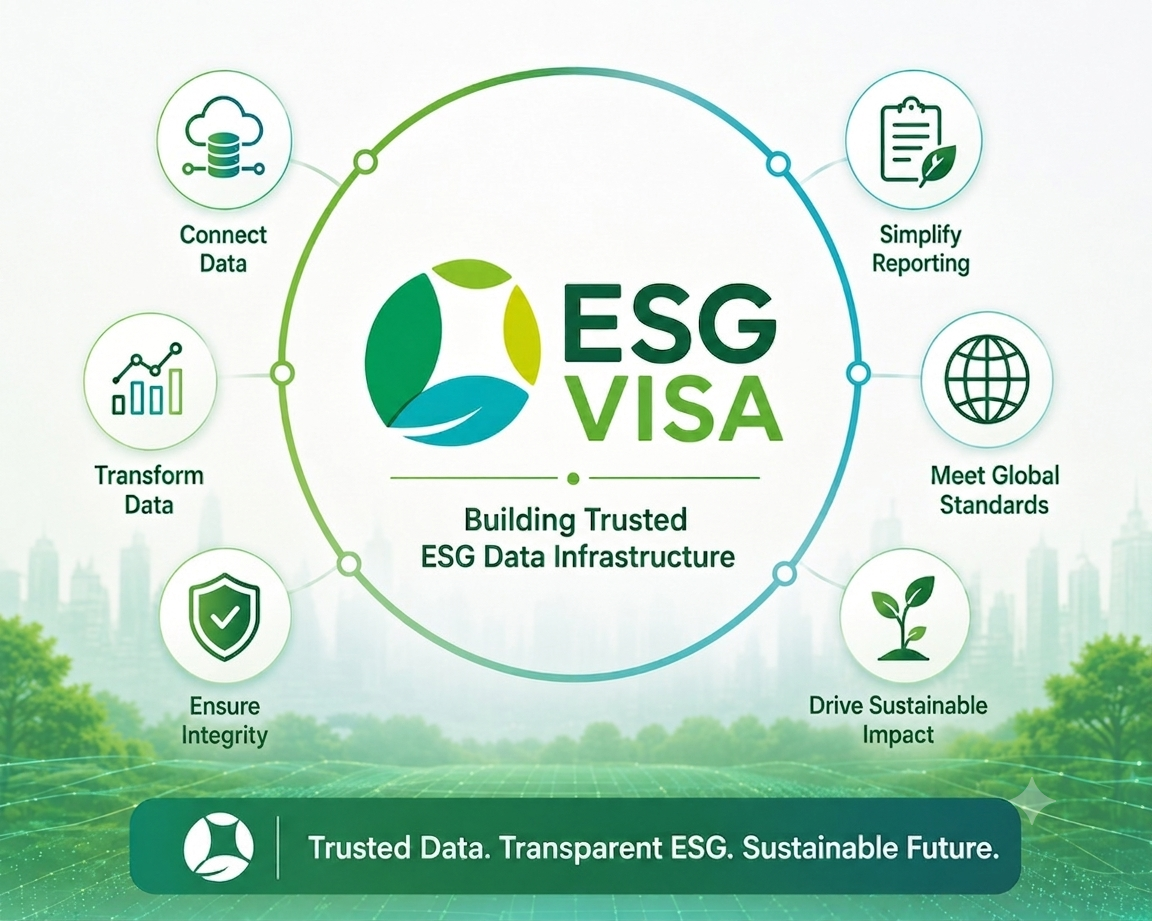
ESG VISA is focused on building the digital infrastructure that supports modern ESG reporting. We help organizations establish the trusted data foundation needed for future ESG compliance and performance management.
While regulatory timelines may evolve, one trend remains clear: the demand for credible, transparent, and data-driven sustainability information will continue to grow. The future of ESG reporting will not be built on disclosure frameworks alone. It will be built on the infrastructure that makes those disclosures possible.